marine grade plywood, yellawood decking prices, garapa prices, ipe lumber suppliers near me, buy ipe wood near me, kansas city hardwood lumber, ipe decking near me
Tropical Hardwood Decking Trends
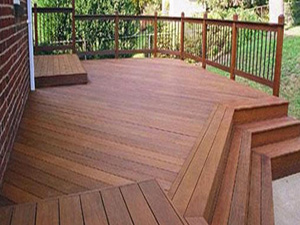
Exploring the latest trends in tropical hardwood decking is crucial for homeowners and builders looking to create beautiful, durable, and sustainable outdoor spaces. From exotic species offering unique aesthetics to innovative installation techniques, staying informed ensures you make the best choices for your project.
Current trends highlight the increasing demand for hardwoods like Ipe, Cumaru, and Tigerwood due to their exceptional durability, resistance to rot and insects, and stunning natural beauty. Beyond material selection, advancements in hidden fastener systems and pre-oiled finishes are also gaining popularity, simplifying installation and enhancing the longevity of hardwood decks.
Benefits of Tropical Hardwood Siding
Tropical hardwood siding offers a sophisticated and enduring solution for building exteriors, providing a natural warmth and elegance that synthetic materials often struggle to replicate. Its inherent strength and resistance to environmental factors make it a valuable choice for those seeking both aesthetic appeal and long-term performance.
Key benefits include superior durability against harsh weather conditions, natural resistance to pests and decay, and a unique aesthetic that can significantly enhance a property's curb appeal. Species like Teak, Ipe, and Garapa are frequently chosen for siding due to their dense grain structure and natural oils, ensuring a beautiful finish that ages gracefully over time.
Choosing the Right Tropical Hardwood for Flooring
Selecting the appropriate tropical hardwood for flooring involves considering several factors to ensure both aesthetic satisfaction and practical suitability for your living space. The unique characteristics of each wood species, such as hardness, grain pattern, and color, play a significant role in the final look and performance of your floor.
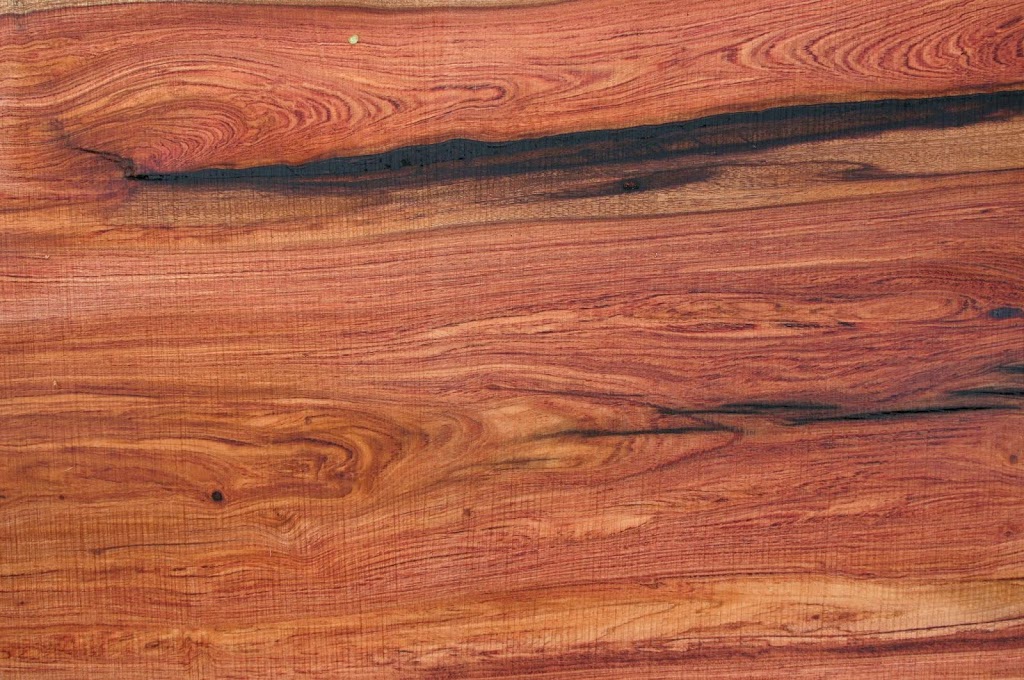
When choosing tropical hardwood flooring, homeowners often look at species like Jatoba (Brazilian Cherry) for its rich red hues and extreme hardness, or Santos Mahogany for its warm, reddish-brown tones and excellent durability. Understanding the Janka hardness scale and the wood's natural oil content can help you determine its suitability for high-traffic areas or moisture-prone environments.
Sustainable Sourcing of Tropical Hardwoods
The responsible and sustainable sourcing of tropical hardwoods is paramount to ensuring the long-term health of our planet's forests and supporting ethical industry practices. Consumers are increasingly seeking assurances that the wood products they purchase do not contribute to deforestation or illegal logging.
Reputable suppliers of tropical hardwoods adhere to strict environmental certifications, such as those from the Forest Stewardship Council (FSC), which verify that timber is harvested in a way that preserves biodiversity, respects indigenous rights, and ensures economic viability for local communities. This commitment to sustainability allows for the enjoyment of these beautiful natural materials with a clear conscience.