Specialty Lumber Solutions, located in Kansas City, MO, supplies heavy-duty timbers for retaining wall projects on residential and commercial landscaping builds. Naturally durable species are chosen for their resistance to rot, fungal decay, and insect damage through the Midwest's climate cycles, making them a practical option for slope stabilization, terracing, and raised garden borders across the metro.
For Kansas City properties dealing with steep grades and shifting topography, timber retaining walls support earth retention and erosion control. By carving out stable grade transitions, builders can reclaim valuable outdoor living space for patios, turf, driveways, and parking areas. To meet both heavy structural loads and architectural finishes, Specialty Lumber Solutions supplies contractors and builders with durable timber options including Ipe, Massaranduba, Cumaru, Western Red Cedar, and Select Southern Cypress.
Targeted Regional Supply
Specialty Lumber Solutions supplies durable tropical and domestic timbers suited to Kansas City projects and budgets, milled to your specifications.
Drainage-First Design
Timber wall longevity depends on what sits behind it: geotextile filter fabric, a perforated drain pipe sloped to daylight, and clean aggregate backfill that keeps hydrostatic pressure off the wall.
Erosion Control & Land Reclamation
Timber retaining assemblies help stabilize Missouri clay soils and control run-off on sloped lots.
Budget-Friendly Timber Walls
Specialty Lumber Solutions supplies the timber for retaining wall builds on Kansas City residential and commercial properties, with volume-tiered pricing for contractors.
Graded, Kiln-Dry Stock
Timbers arrive grade-verified and dimensionally consistent, so crews can plan cuts and fastener layout with confidence.
Sloped lots surrender usable square footage with every major weather event. Retaining walls serve as the fundamental engineering solution for stabilizing earth on sloping Kansas City properties, halting severe runoff and soil displacement before structural damage occurs. Without proper retention, an unreinforced backyard incline continuously sheds topsoil gradually undermining nearby patios, flatwork, property-line fences, and residential foundations.
The regional topography makes earth retention a standard requirement rather than an edge case. Rolling Midwest terrain shaped by glacial drift and natural creek drainages underlies decades of cut-and-fill residential development across the metro. When combined with dense local clay that retains moisture and exerts heavy lateral hydrostatic pressure, these steep yard grades are prone to shifting and slippage particularly during torrential spring downpours and sudden winter freeze-thaw cycles.
Uncompacted fill dirt, inadequate subsurface drainage, and abrupt grade changes cause the vast majority of residential slope failures across the metro. Once seasonal rains saturate expansive clay or loose fill on a hillside, lateral hydrostatic pressure spikes, gravity takes over, and the hillside shears or slumps toward the lowest elevation.
Selecting the right retaining wall timbers is just as critical as the site's engineering. Timber density and preservative treatment directly dictate how long an installation resists constant moisture exposure, earth loads, and annual freeze-thaw expansion.
By representing major tropical hardwood importers and domestic lumber mills, Specialty Lumber Solutions provides Kansas City contractors and landscape professionals with direct access to specialized timber grades:
Clear Grade Western Red Cedar
Naturally decay-resistant with low shrinkage rates, ideal for exposed cap timbers, terraced garden borders, and visible landscape retaining walls.
Select Southern Cypress
Exceptional moisture tolerance and tight grain that performs reliably in high-humidity ground environments.
Custom Milling to Project Specifications
Both cedar and cypress profiles can be precision-milled to exact structural dimensions, saving crews time on site and eliminating the need to force standard commodity stock into irregular hillside profiles.
Species selection dictates how long a retaining wall holds its plumb line and resists fungal rot through the Midwest’s demanding freeze-thaw cycles. While landscape construction encompasses everything from segmental concrete blocks to natural boulders, heavy timber walls deliver an architectural warmth that masonry cannot duplicate. When engineered timber retaining systems are specified, dense hardwoods and resilient domestic species lead the pack:
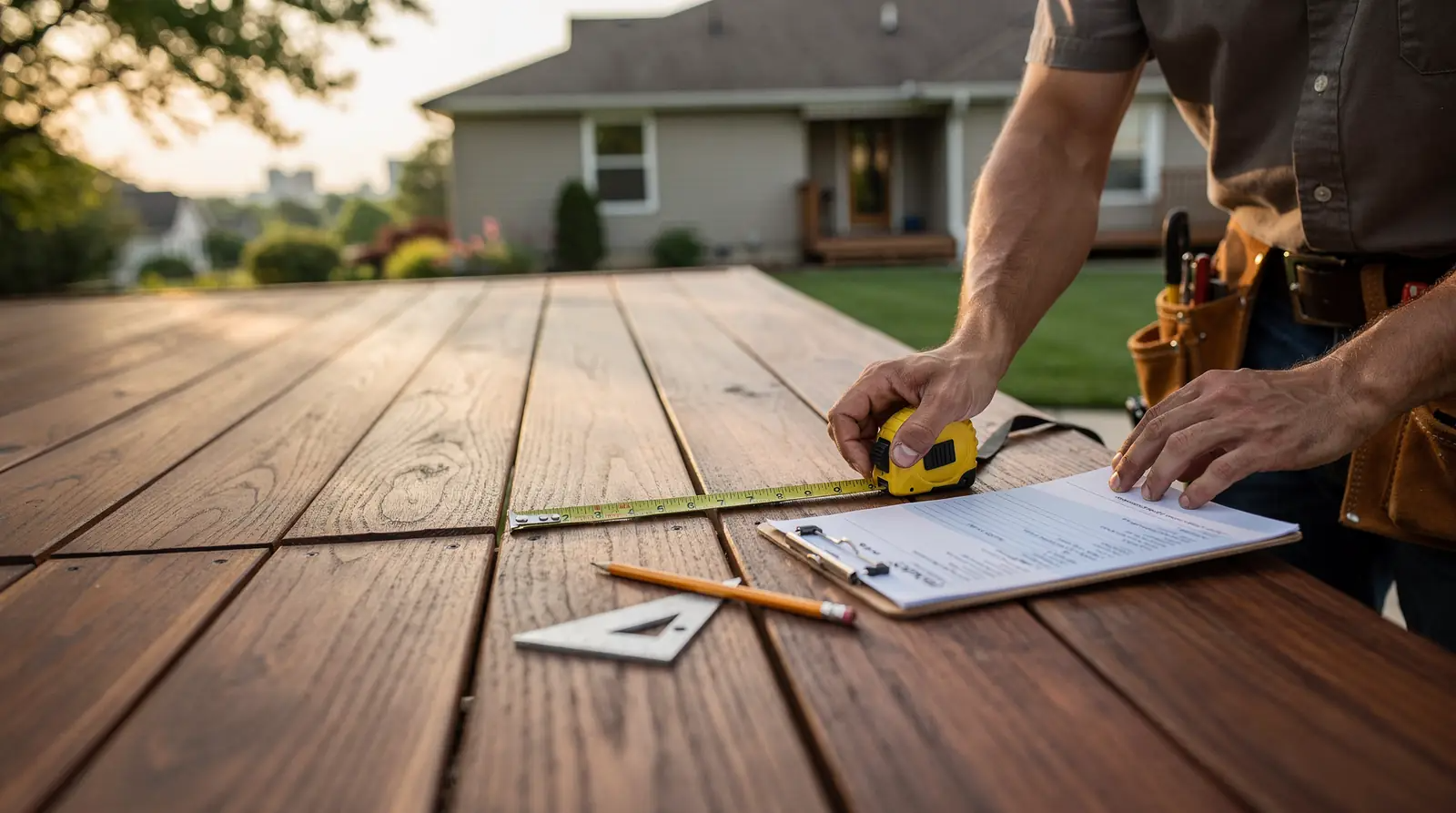
Ipe (Brazilian Walnut)
Ranks as the hardest, densest tropical hardwood readily available for commercial and residential construction. Its rich olive-brown grain reflects a natural density that easily bears heavy lateral soil loads, making it the premier choice for tall retaining walls, multi-tier terracing, or heavy grade transitions where structural failure is not an option.
Massaranduba (Brazilian Redwood)
Provides a high-performance, cost-effective alternative to Ipe. It matches Ipe and Cumaru in overall rot resistance and weathering capability while offering slightly better workability under standard jobsite carbide tooling a major labor-saving advantage on projects with tight framing timelines.
Cumaru (Brazilian Teak)
Balances extreme structural density with warm, golden-brown tones. It resists termite attack, ground rot, and surface checking under heavy moisture conditions, serving as a proven timber choice for visible retaining tiers and perimeter planter walls.
Massaranduba serves as an outstanding substitute for Ipe in retaining wall construction. It delivers near-identical mechanical strength, extreme rot resistance, and decades of ground-contact resilience at a noticeably lower board-foot cost. Because it is slightly less abrasive than Ipe, crew members experience less blade dulling and easier on-site cutting, notching, and pre-drilling accelerating assembly without compromising the wall's long-term integrity.
| Species | Hardness | On-Site Workability | Best Application |
|---|---|---|---|
| Ipe | Very high | Demanding (requires frequent carbide bit changes) | Critical structural walls, high soil loads, tall multi-tier retention |
| Massaranduba | High | Moderate (easier cutting and fastening) | Budget-conscious builds, residential terracing, medium-height walls |
For Kansas City contractors and homeowners, balancing timber density against crew labor hours is key: Massaranduba provides the strength required for heavy Midwest clay while keeping both material and installation costs in check.
Landscape contractors, commercial hardscape crews, and experienced builders handle timber retaining wall construction across the Kansas City metro. Determining the right installation team comes down to site slope, surcharge loads (such as nearby driveways or pools), and the specific timber species specified.
Kansas City’s heavy, expansive clay soils and rolling topography make wall construction a serious structural engineering decision rather than a cosmetic weekend DIY project:
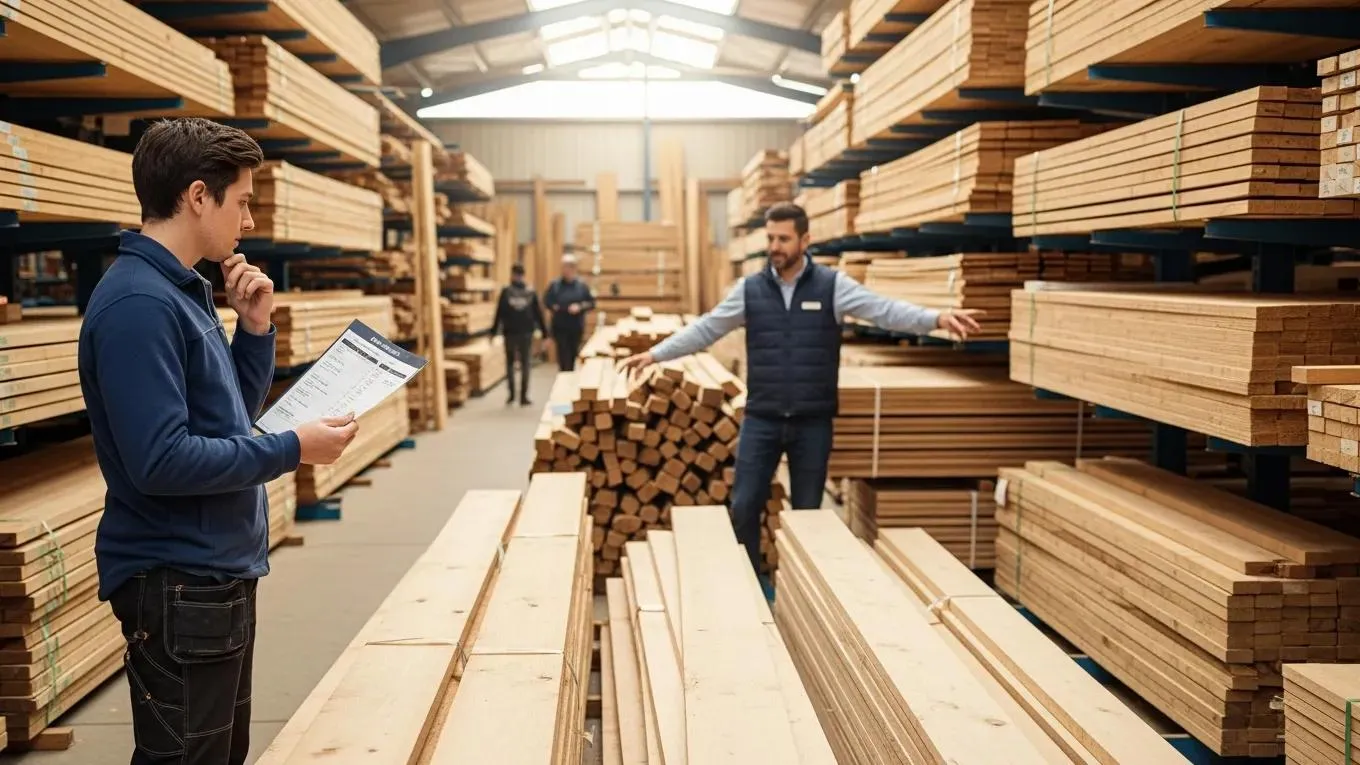
Professional Landscape & Hardscape Contractors
Established regional installers bring decades of local experience navigating Midwest elevation transitions, soil stabilization, and hydrostatic drainage. They understand how wood expands, contracts, and distributes lateral loads differently than segmental concrete blocks or dry-stack stone.
Specialized Timber
Builders
Working with ultra-dense hardwoods like Ipe or Massaranduba requires specialized tools, including heavy-duty carbide blades, pre-drilling equipment, and structural timber fasteners. Experienced crews know how to set deadmen anchors and geotextile fabric to permanently stabilize high-load hillsides.
The Cost of Cutting
Corners
Sparing the groundwork such as skimping on crushed-aggregate base trenches, neglecting perforated drain pipes, or using non-ground-contact timber leads directly to costly contractor callbacks, leaning walls, and complete structural blowouts after heavy rain events.
Partnering with a dedicated timber broker like Specialty Lumber Solutions ensures installers receive properly dried, grade-verified timbers sized accurately to the engineering specifications of the site.
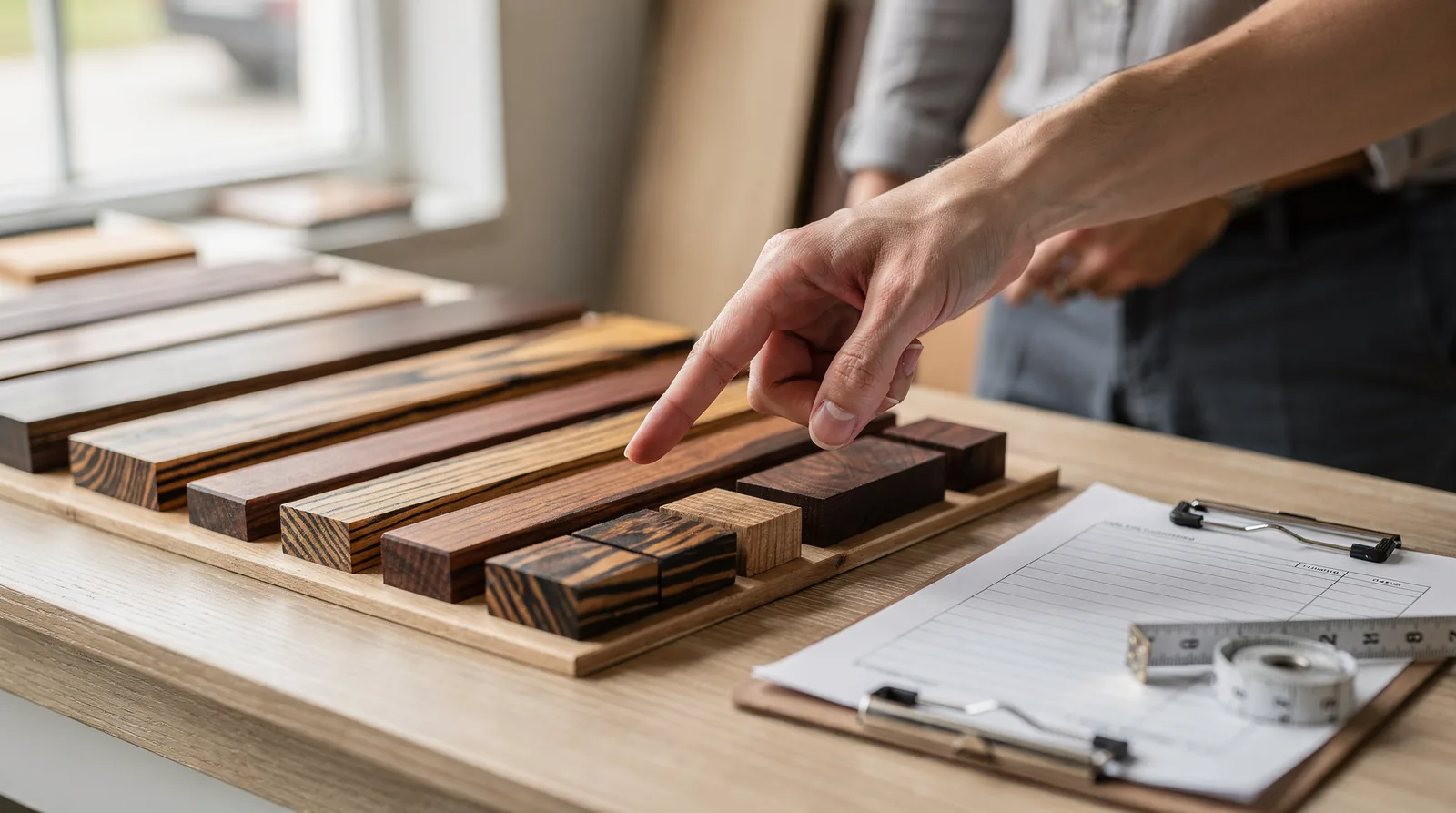
Proximity directly impacts project timelines, freight overhead, and jobsite flexibility. For contractors and homeowners throughout the metro, sourcing through an out-of-region distributor often means unpredictable lead times, inflated long-haul freight charges, and costly jobsite delays if a supplemental order or replacement timber is needed mid-build.
Partnering with a dedicated timber broker like Specialty Lumber Solutions ensures installers receive properly dried, grade-verified timbers sized accurately to the engineering specifications of the site.
Predictable Lead Times
Staged inventory and coordinated regional shipping keep projects moving on schedule without weeks of transit downtime.
Minimized Freight Costs
Direct regional distribution eliminates the cascading freight surcharges associated with shipping heavy structural timbers across multiple distribution zones.
Responsive Jobsite Support
Local coordination means rapid response if jobsite conditions require additional timber packs, custom milling adjustments, or expedited delivery.
Long-term retaining wall stability begins well before the first timber hits the trench. Dense tropical hardwoods react differently to ambient humidity and sun exposure than domestic softwoods, making pre-installation site preparation and timber handling essential:
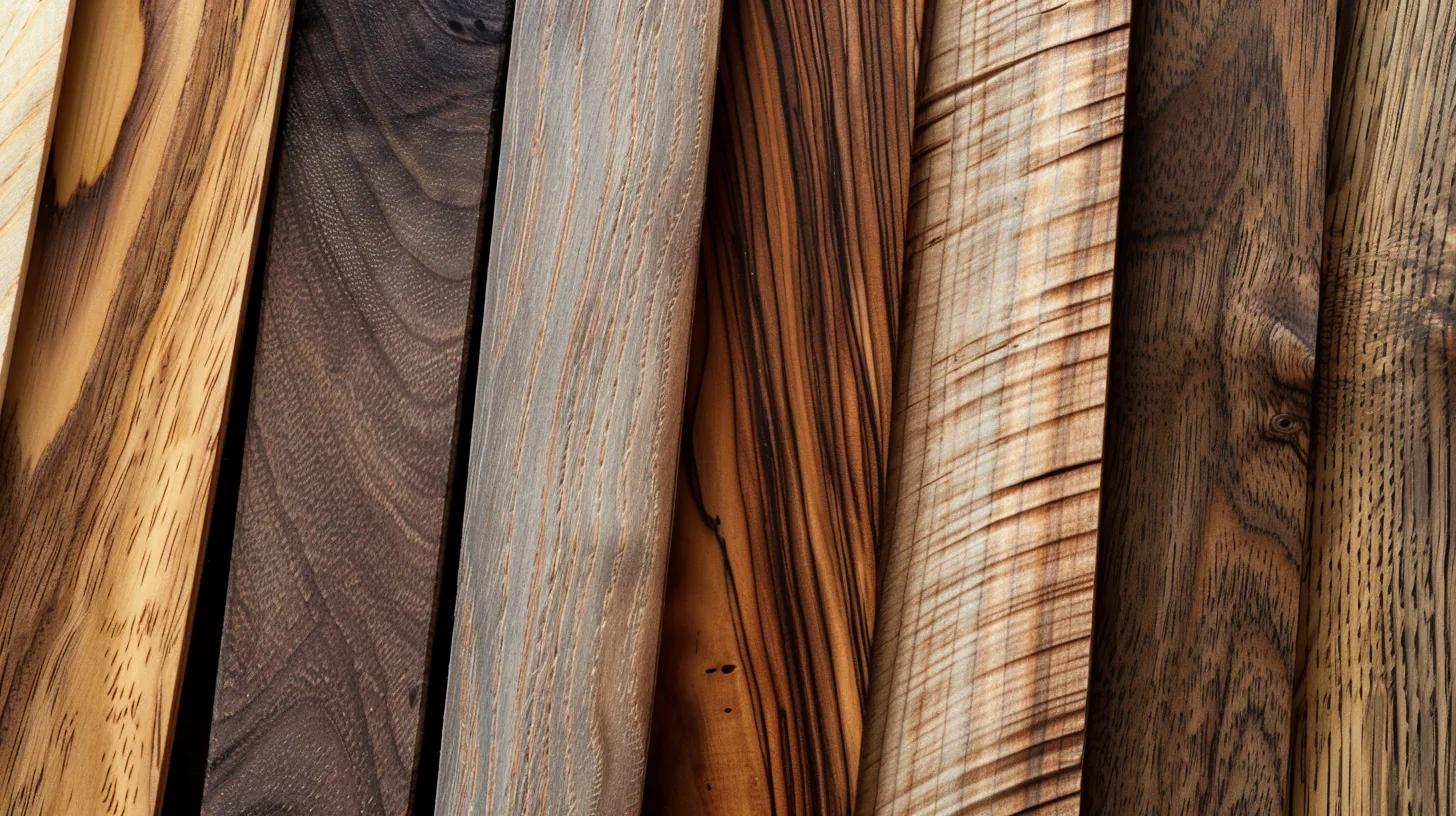
Jobsite Acclimation
Tropical hardwood timbers should acclimate on-site for at least 7 to 10 days prior to installation. Timbers must be stickered stacked flat on level ground with uniform spacers between layers and kept covered from direct rain while allowing continuous lateral airflow. Skipping this step risks uneven shrinkage, surface checking, and twisting once the timbers are anchored and backfilled.
Trench Excavation & Base Compaction
Before setting the base course, crews must excavate below the regional frost line or design depth and compact a minimum 6-inch bed of crushed angular aggregate (such as crushed limestone). A level, unyielding base prevents uneven settling across the wall's lifespan.
Hydrostatic Drainage Planning
Ensure proper clearance behind the proposed wall line for non-woven geotextile filter fabric, a perforated drain pipe sloped to daylight, and clean aggregate backfill. Trapped water behind a timber wall causes premature rotting and massive lateral pressure spikes.
Fastener & Tool Readiness
Confirm that high-grade structural timber screws (or galvanized spikes/rebar pins) and industrial carbide drill bits are on hand. Dense hardwoods like Ipe and Massaranduba require pre-drilling to prevent snapped fasteners and split grain.
Constructing a durable, long-lasting timber retaining wall in Kansas City requires balancing structural load capacity, jobsite workability, and long-term rot resistance. With expansive clay soils and aggressive freeze-thaw cycles defining the local terrain, standard commodity softwoods quickly fall short under heavy earth pressures. Specifying high-performance hardwoods such as Ipe, Massaranduba, and Cumaru or select domestic species ensures your retaining structures remain plumb, stable, and visually striking for decades.
As a direct-to-mill broker based right in Kansas City, Specialty Lumber Solutions bridges the gap between major timber mills and regional jobsites. By eliminating intermediate distributor markups and offering custom milling, predictable local delivery, and fast 24-hour quote turnarounds, we supply the commercial-grade materials builders need to stabilize difficult grades with absolute confidence.
3824 Fremont Ave.
Kansas City, MO 64129
816‒506‒4131
Monday to Friday: 8:00 – 3:00
Charles: 816 - 506 - 4131
Specialty Lumber Solutions represents the nation’s largest wholesalers of tropical hardwood products and domestic lumber mills. If you are looking for Ipe, Teak, Cumaru, Massaranduba or another species, we sell tropical hardwood rain screen siding and decking materials at the best prices.
For high end domestic species, we offer clear grade Western Red Cedar and Select Southern Cypress custom milled to your specifications. We also have your flooring needs covered by working with direct importers to offer a line of tropical hardwood flooring at the most competitive prices.