Pressure Treated Wood Decking in Kansas City

Your Guide to Quality Lumber and Prices

Pressure treated wood decking remains the most popular and cost-effective choice for homeowners and builders across the Kansas City metro. This comprehensive guide provides essential insights into treated lumber types, local pricing factors, and smart sourcing strategies to ensure your outdoor project stands up to the elements. Given KC's intense weather shifts from humid summer peaks to freezing winter thaws understanding wood grades, chemical treatments, and maintenance requirements is crucial for protecting your investment. Over the following sections, we will break down the best structural grades, factors affecting lifespan, reliable local logistics, and the environmental standards driving modern treated lumber.

What Types of Pressure Treated Lumber Are Best for Kansas City Decks?

Choosing the proper chemical treatment tier prevents premature rot and ensures your deck framework remains structurally sound. The building industry categorizes pressure-treated lumber into two primary applications based on environmental exposure:

Above-Ground Treated Lumber (UC3B)
 
Engineered strictly for elements that sit at least six inches above the soil with excellent drainage, such as deck surface boards, railings, and balusters. It resists heavy rainfall and intense UV rays but will fail prematurely if subjected to constant pooling water or soil contact.
Ground-Contact Treated Lumber (UC4A)
 
Formulated with twice the chemical retention levels of above-ground stock to withstand continuous moisture and soil exposure. This grade is mandatory for all critical structural elements including support posts, joists, ledger boards, and stair stringers that sit close to the dirt or trap debris.

Which lumber grades suit outdoor decking in Midwest climates?

Midwest climate shifts require a careful balance between structural performance and material cost. Pressure-treated Southern Yellow Pine (SYP) is the regional baseline, valued for its high chemical treatability and deep structural strength.

When choosing your decking boards, contractors and homeowners typically select between two primary lumber grades:
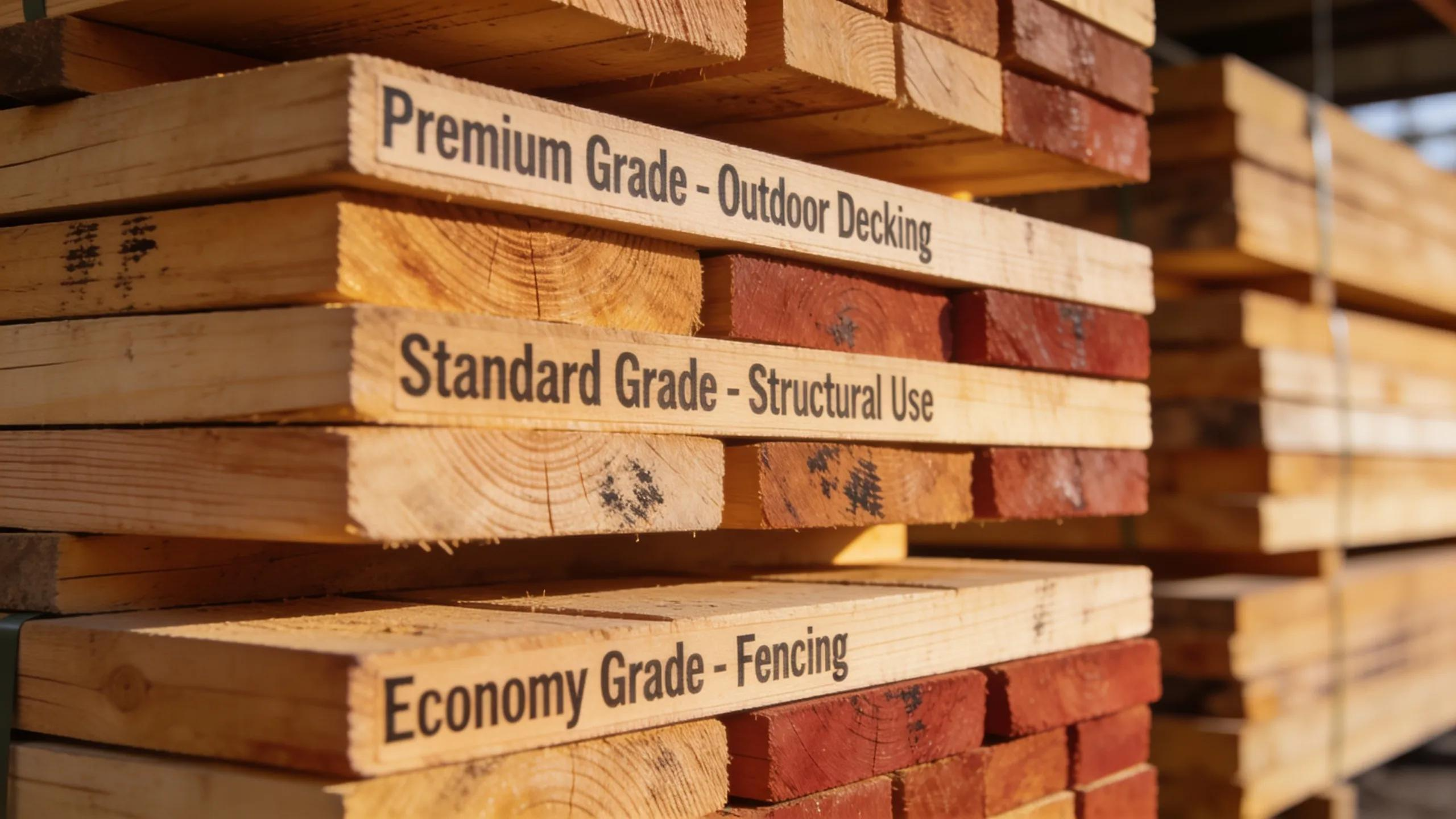
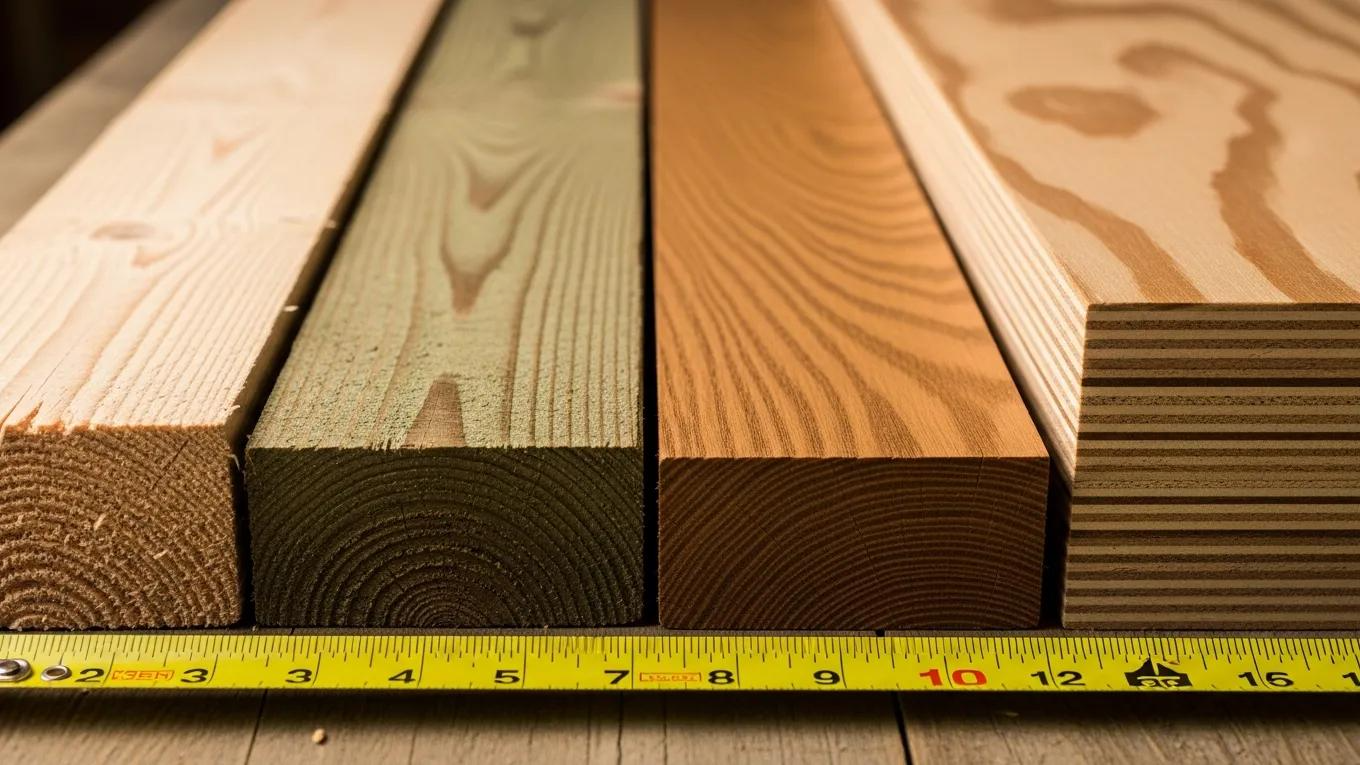
#2 Premium Grade
 
The standard choice for overall affordability. It delivers excellent structural strength and deep preservative protection, though it features visible knots and natural cosmetic characteristics.
Premium / Select Appearance Grade
 
The ideal tier for visible surface boards and high-end finishes. This grade offers a much cleaner, uniform aesthetic with minimal knots, reducing checking and warping over a long service life.

Evaluating both price points and durability ensure your deck stands up to the extreme freezing and high humidity cycles of the Kansas City metro.

How Long Does Treated Lumber Last for Outdoor Decking in Kansas City?

A professionally installed, pressure-treated wood deck in the Kansas City area typically delivers a reliable lifespan of 15 to 25 years. However, achieving that upper limit depends heavily on how well the wood is protected against the extreme regional climate shifts.
Three primary factors dictate how long your treated lumber will endure:
 
Moisture and Freeze-Thaw Cycles
 
Kansas City’s combination of humid summers and freezing winters forces wood to rapidly expand and contract. Trapped moisture that freezes inside the wood grain can cause deep structural splitting over time if the lumber isn't properly treated or sealed.
UV and Sun Exposure
 
Unprotected wood boards exposed to direct, intense sunlight will dry out, warp, and fade to a dull gray. Applying a high-quality UV-blocking sealant protects the natural wood fibers from breaking down under the sun.
Routine Sealing and Maintenance
 
Pressure-treated lumber is chemically resistant to rot and termites, but it is not completely waterproof. Performing an annual moisture check and applying a water-repellent sealant every two to three years is the single most effective way to prevent warping and maximize your deck's lifespan.
Catching minor issues early through regular seasonal inspections ensures your outdoor living space stays safe, beautiful, and structurally sound for decades.

How does Kansas City weather influence lumber longevity?

The extreme seasonal shifts of the Kansas City metro present a demanding environment for any exterior wood structure. The local climate constantly subjects timber to rapid physical stress, altering its stability if left unprotected.
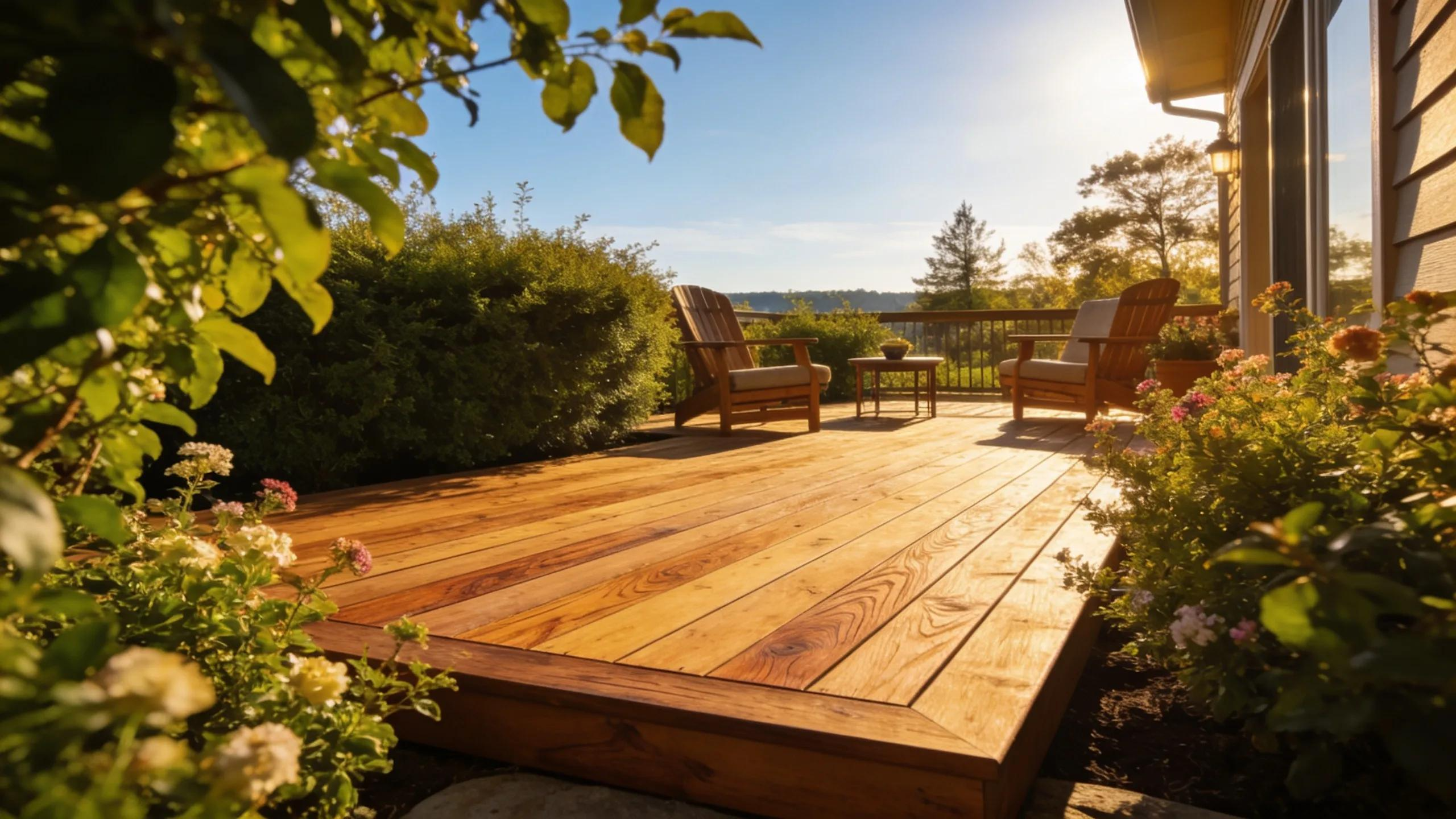
The primary environmental forces affecting your deck include
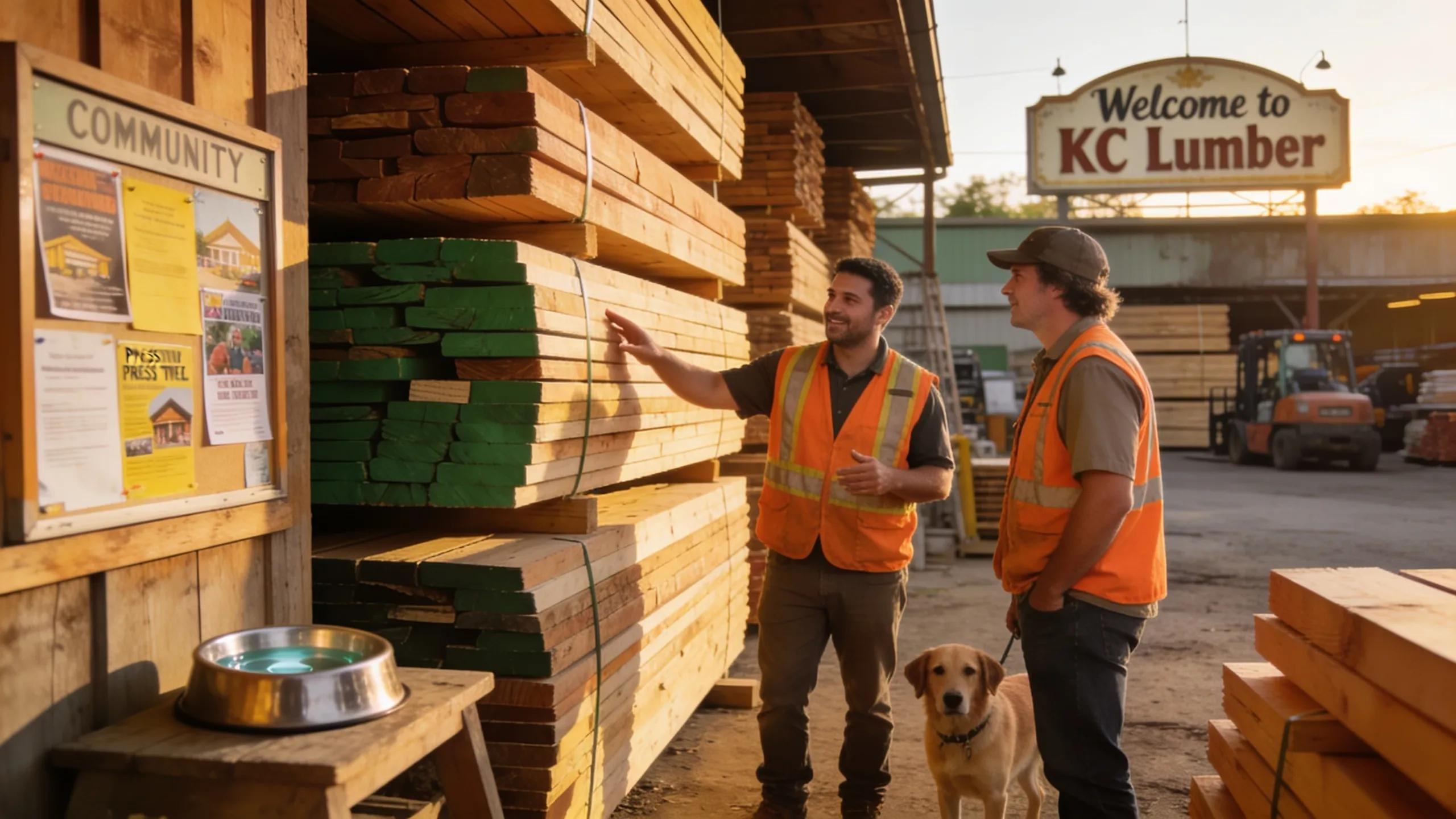
The Freeze-Thaw Dynamic
 
Kansas City winters swing frequently between freezing lows and mild afternoons. When rain or melting snow seeps into unsealed wood grain and repeatedly freezes, the water expands, micro-fracturing the timber fibers and leading to deep splitting over time.
Intense Summer Humidity
 
High midwestern humidity swells wood cells, followed by rapid shrinking during dry, hot spells. This constant swelling and contracting loop causes boards to cup, twist, and pull away from their fasteners if the underlying framing lacks high chemical retention.
Sub-Tropical Rainfall and UV Radiation
 
Heavy spring downpours saturated with intense summer sun create a dual threat. Moisture accelerates surface rot and mold, while UV rays break down the natural lignin holding the wood cells together, turning unprotected lumber dry, brittle, and gray.

Where to Find Trusted Decking Lumber Suppliers in Kansas City?

Finding reliable suppliers for treated lumber is key to ensuring you receive quality materials for your decking project. Specialty Lumber Solutions stands out in Kansas City as an excellent provider, offering a range of treated lumber options that meet high industry standards for durability and safety. Their expertise in pressure treated lumber makes them an ideal partner for both commercial and residential projects.

How do local suppliers support commercial and residential projects?

Code & Climate Compliance
 
Local suppliers understand Kansas City’s strict municipal construction codes and fluctuating Midwestern climate, ensuring you select the correct chemical retention levels for structural stability.
Direct Job-Site Logistics
 
Providers streamline construction timelines by coordinating direct-to-site freight deliveries, dropping heavy framing packages exactly where your crew needs them.
Custom Millwork Scaling
 
Local networks easily handle highly specialized architectural requests, sourcing non-standard dimensional lengths or custom-milled profiles to eliminate on-site adjustment

What Are the Environmental and Safety Considerations for Treated Wood Decking?

Navigating the environmental and safety aspects of treated timber requires understanding how the industry has evolved. Decades ago, residential lumber relied heavily on Chromated Copper Arsenate (CCA). Today, strict regulations mandate much safer, eco-conscious alternatives for local residential builds:
Low-Toxicity Chemical Preservatives
 
Modern treated decking relies primarily on water-based, arsenic-free formulations such as Micronized Copper Azole (MCA) or Alkaline Copper Quaternary (ACQ). These copper-based compounds are highly effective at preventing fungal rot and termite damage while maintaining a vastly lower toxicity profile for humans, pets, and local soil.
Leaching Prevention & Carbon Offsets
 
Through a highly monitored vacuum-pressure process known as chemical "fixation," modern preservatives are structurally bonded directly inside the wood cells. This advanced engineering minimizes the leaching of active ingredients into the surrounding soil while maintaining a lower overall carbon footprint than alternative synthetic materials like composites.
Essential Job-Site Safety Protocols
 
Because copper-based treatments can be abrasive, installers must utilize hot-dip galvanized or stainless-steel fasteners to prevent premature hardware corrosion. When cutting or drilling treated lumber on-site, crews should wear standard dust masks and safety glasses, contain and sweep up all loose sawdust, and never burn structural scraps, as burning releases toxic concentrated chemical ash.
Adhering to these safe handling guidelines ensures your deck remains a durable, environmentally sound addition to your home. Discover our fully certified, low-leaching treated structural packages at specialtylumbersolutions.com

How do treated wood standards align with Kansas City building codes?

Kansas City has specific building codes that govern the use of treated lumber. These regulations require compliance with safety standards that ensure treated wood is safe for residential use. Understanding these codes is crucial for contractors and homeowners alike as they navigate the requirements for their decking projects. It's advisable to consult with local experts to ensure that all components meet the necessary regulations.
Type of Lumber Attributes Recommended Uses
Ground Contact Pressure Treated High moisture resistance, insect repellent Ideal for post and beam frameworks
Above Ground Pressure Treated Moderate moisture resistance, suitable for decking Best for decks and railings
Premium Treated Lumber Enhanced durability, fewer defects Preferred for high-end decking projects
This overview of lumber types helps streamline your selection process, ensuring that your decking choice supports your project's durability and aesthetic goals. With local resources designed to aid in material selection and installation, building a resilient deck becomes a manageable task.

Engineering a Resilient Kansas City Deck

Building a deck that successfully handles Kansas City’s intense weather shifts requires balancing the right material grades with proper local code compliance. By prioritizing ground-contact framing packages, choosing appearance-grade surface boards, and adhering to strict regional structural guidelines, you guarantee a safe outdoor living space that will endure for decades. Partnering with a dedicated supplier ensures your materials match your exact structural blueprints without unnecessary retail overhead. Ready to secure premium, code-compliant treated lumber for your next project? Submit your layout and request a direct-to-site delivery quote today at specialtylumbersolutions.com.

3824 Fremont Ave.
Kansas City, MO 64129
816‒506‒4131

Monday to Friday: 8:00 – 3:00

Charles: 816 - 506 - 4131

Specialty Lumber Solutions represents the nation’s largest wholesalers of tropical hardwood products and domestic lumber mills. If you are looking for Ipe, Teak, Cumaru, Massaranduba or another species, we sell tropical hardwood rain screen siding and decking materials at the best prices.

For high end domestic species, we offer clear grade Western Red Cedar and Select Southern Cypress custom milled to your specifications. We also have your flooring needs covered by working with direct importers to offer a line of tropical hardwood flooring at the most competitive prices.