Frequently Asked Questions
None - No questions provided for evaluation?
No specific questions have been provided for evaluation, which means there are currently no inquiries to address regarding Cuban Mahogany or our offerings at Specialty Lumber Solutions.
What are the benefits of Cuban Mahogany?
The benefits of Cuban Mahogany include its exceptional durability, resistance to decay, and stunning aesthetic appeal. Its rich color and fine grain make it ideal for high-end furniture and cabinetry, while its stability ensures longevity in various applications.
How durable is Cuban Mahogany wood?
The durability of Cuban Mahogany wood is exceptional. Known for its resistance to decay and insects, it is an ideal choice for both indoor and outdoor applications, ensuring longevity and reliability in various projects.
What are the common uses of Cuban Mahogany?
The common uses of Cuban Mahogany include high-end furniture, cabinetry, musical instruments, and decorative veneers due to its rich color, durability, and workability. Its aesthetic appeal makes it a favorite among artisans and builders.
How does Cuban Mahogany compare to other woods?
Cuban Mahogany is renowned for its rich color, fine grain, and durability, making it superior to many other woods for high-end furniture and cabinetry. Its resistance to decay and insects further enhances its appeal compared to alternatives.
Where can I purchase Cuban Mahogany?
You can purchase Cuban Mahogany directly from Specialty Lumber Solutions, which offers a selection of exotic hardwoods, including this sought-after wood. Visit our website to explore availability and place your order.
What is the history of Cuban Mahogany?
The history of Cuban Mahogany is rich and significant, dating back to its prominence in the 18th and 19th centuries when it was extensively used in fine furniture and shipbuilding, prized for its beauty and durability.
How is Cuban Mahogany harvested sustainably?
Cuban Mahogany is harvested sustainably through selective logging practices that prioritize the preservation of the ecosystem. This method ensures that only mature trees are cut down, allowing younger trees to thrive and maintain the forest's biodiversity.
What are the physical properties of Cuban Mahogany?
The physical properties of Cuban Mahogany include its rich reddish-brown color, fine grain, and excellent workability. It is known for its durability, resistance to decay, and stability, making it an ideal choice for high-quality furniture and cabinetry.
Is Cuban Mahogany suitable for outdoor use?
Cuban Mahogany is suitable for outdoor use due to its natural resistance to moisture and decay. However, proper sealing and maintenance are recommended to enhance its durability and longevity in outdoor environments.
What finishes work best with Cuban Mahogany?
The finishes that work best with Cuban Mahogany are oil-based finishes, such as tung oil or linseed oil, and high-quality varnishes. These options enhance the wood's natural beauty while providing protection and durability.
How does Cuban Mahogany age over time?
Cuban Mahogany ages beautifully over time, developing a rich patina that enhances its warm reddish-brown color. This wood is known for its durability and resistance to wear, making it a favored choice for high-quality furniture and cabinetry.
What is the cost of Cuban Mahogany wood?
The cost of Cuban Mahogany wood varies based on factors like grade, size, and market demand. Typically, prices range from $20 to $40 per board foot, reflecting its rarity and unique qualities.
Can Cuban Mahogany be used for furniture?
Cuban Mahogany is an excellent choice for furniture due to its durability, rich color, and fine grain. Its natural resistance to moisture and pests makes it ideal for crafting beautiful, long-lasting pieces.
What tools are best for working with Cuban Mahogany?
The best tools for working with Cuban Mahogany include sharp hand saws, chisels, and high-quality routers, as this dense hardwood requires precision and care to achieve clean cuts and smooth finishes.
How does Cuban Mahogany perform in humid climates?
Cuban Mahogany performs exceptionally well in humid climates due to its natural resistance to moisture and decay. Its stability and durability make it an ideal choice for outdoor applications and environments with high humidity.
What are the environmental impacts of Cuban Mahogany?
The environmental impacts of Cuban Mahogany include deforestation and habitat loss due to overharvesting. Sustainable sourcing practices are essential to mitigate these effects and ensure the preservation of this valuable species for future generations.
How to identify authentic Cuban Mahogany?
To identify authentic Cuban Mahogany, look for its rich reddish-brown color, fine grain, and a slightly oily texture. Additionally, the wood should have a sweet aroma and display a high level of durability and resistance to decay.
What colors does Cuban Mahogany come in?
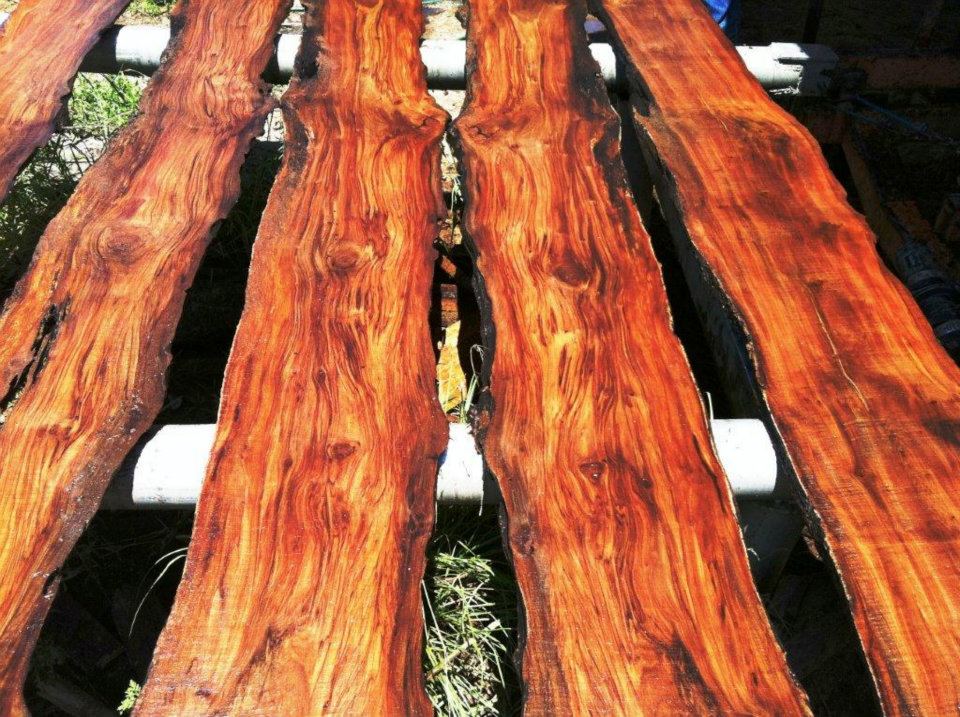
Cuban Mahogany comes in a range of rich colors, typically featuring deep reddish-brown hues with golden undertones. Over time, it can darken, enhancing its natural beauty and giving it a luxurious appearance.
How does Cuban Mahogany resist pests?
Cuban Mahogany is naturally resistant to pests due to its dense grain and high oil content, which deter insects and fungal growth. This durability makes it an excellent choice for both indoor and outdoor applications.
What is the weight of Cuban Mahogany wood?
The weight of Cuban Mahogany wood typically ranges from 30 to 40 pounds per cubic foot, making it a relatively dense and sturdy hardwood ideal for various applications.
How to care for Cuban Mahogany products?
Caring for Cuban Mahogany products involves regular dusting and avoiding excessive moisture. Use a soft cloth for cleaning and apply a high-quality wood conditioner periodically to maintain its rich color and luster.
What are the alternatives to Cuban Mahogany?
The alternatives to Cuban Mahogany include African Mahogany, Sapele, and Teak, which offer similar aesthetic qualities and durability for furniture and cabinetry while often being more readily available and sustainable.
How does Cuban Mahogany affect indoor air quality?
Cuban Mahogany positively affects indoor air quality by being a low-emission wood that does not release harmful VOCs (volatile organic compounds). Its natural properties contribute to a healthier indoor environment, making it an excellent choice for furniture and decor.
What is the grain pattern of Cuban Mahogany?
The grain pattern of Cuban Mahogany is characterized by its straight, fine texture with occasional interlocking and wavy patterns. This unique appearance, combined with its rich color, makes it highly sought after for fine furniture and cabinetry.
How to source high-quality Cuban Mahogany?
Sourcing high-quality Cuban Mahogany involves selecting reputable suppliers who specialize in exotic hardwoods, ensuring the wood is sustainably harvested, and verifying its provenance through certifications or documentation. Always request samples to assess quality before purchasing.
What are the legal considerations for buying Cuban Mahogany?
The legal considerations for buying Cuban Mahogany include ensuring compliance with the Convention on International Trade in Endangered Species (CITES) regulations, as this species is protected due to its rarity. Always verify the source and legality of the wood before purchase.
How does Cuban Mahogany contribute to woodworking projects?
Cuban Mahogany significantly enhances woodworking projects due to its exceptional durability, rich color, and fine grain. Its workability and resistance to decay make it ideal for both functional and decorative applications, adding elegance and longevity to any creation.
What are the characteristics of Cuban Mahogany trees?
The characteristics of Cuban Mahogany trees include a straight grain, rich reddish-brown color, and excellent durability. This wood is known for its resistance to decay and insects, making it a preferred choice for fine furniture and cabinetry.
How to maintain the luster of Cuban Mahogany?
Maintaining the luster of Cuban Mahogany involves regular cleaning with a soft, damp cloth and applying a high-quality wood conditioner or oil periodically to nourish the wood and enhance its natural shine.