Frequently Asked Questions
Can African zebra wood be grown domestically?
African Zebrawood cannot be grown domestically. It is native to the western parts of Africa and thrives in its specific tropical climate.
Where does African zebra wood grow?
African zebrawood grows in the central and western regions of Africa, primarily in countries like Cameroon, Gabon, and the Congo.
What are zebra woods key properties?
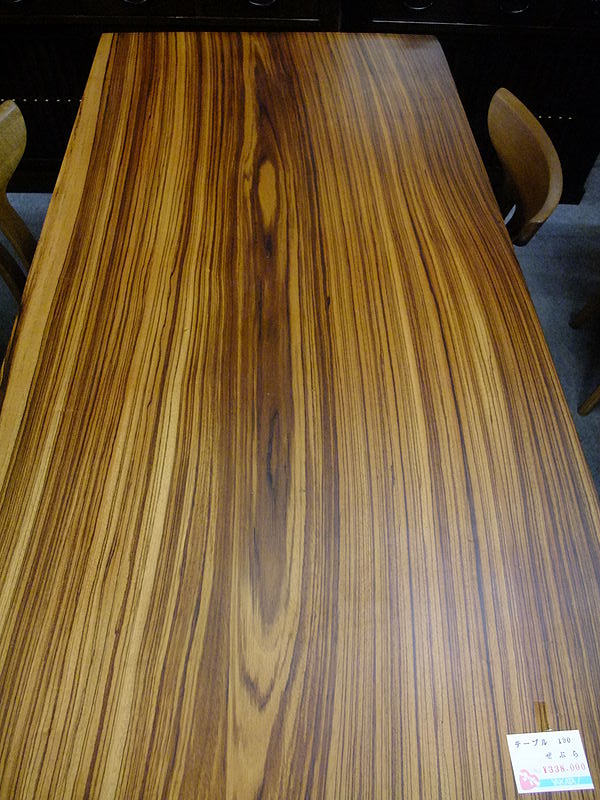
Zebrawood's key properties include its striking dark brown to black stripes on a lighter background, making it visually unique. It's also known for its hardness, density, and workability.
How is zebra wood used in furniture?
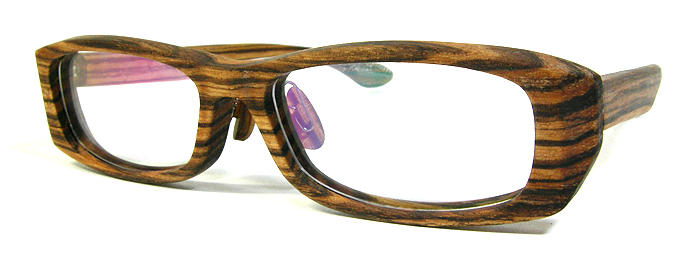
Zebrawood is used in furniture for its striking, high-contrast grain patterns, ideal for statement pieces like tables, cabinets, and decorative inlays.
Can I buy zebra wood in the US?
Yes, you can buy Zebrawood in the US. Specialty Lumber Solutions offers Zebrawood, and we can provide quotes for your woodworking projects.
What is the price of zebra wood?
The price of Zebrawood varies based on grade, dimensions, and market demand. Contact Specialty Lumber Solutions for a personalized quote.
What are the benefits of zebra wood?
The benefits of zebrawood include its striking visual appeal, excellent workability, and durability, making it ideal for decorative veneers, furniture, and musical instruments.
How does zebra wood perform?
Zebrawood performs well, offering good stability and workability. It takes finishes beautifully, making it ideal for furniture, cabinetry, and decorative items.
What is zebra woods geographic distribution?
Zebrawood's geographic distribution is primarily in Central and West Africa, flourishing in tropical rainforests.
What makes zebra wood exotic?
Zebrawood is considered exotic due to its striking, high-contrast stripe patterns and its origin from tropical regions, making it a unique and sought-after hardwood.
What are common uses for zebra wood?
Common uses for zebrawood include fine furniture, cabinetry, decorative veneers, musical instruments, and inlay work due to its striking appearance and workability.
Is zebra wood good for flooring?
Zebrawood is an excellent choice for flooring due to its striking appearance and durability. Its unique grain pattern and hardness make it a beautiful and resilient option for high-traffic areas.
Tell me about zebra woods aesthetic appeal?
Zebrawood's aesthetic appeal lies in its striking, high-contrast stripes of dark brown to black against a lighter tan or yellowish background, creating a unique and bold visual.
What woodworking projects use zebra wood?
Zebrawood is ideal for decorative projects like furniture, cabinetry, musical instruments, and accent pieces due to its striking visual appeal.
How does zebra wood compare to other woods?
Zebrawood compares favorably to other woods with its striking grain, excellent workability, and durability, making it a unique choice for distinctive projects.
What is the durability of zebra wood?
The durability of zebrawood is excellent. This exotic hardwood is known for its hardness and resistance to wear, making it a long-lasting choice for various woodworking projects.
Can zebra wood be stained easily?
Zebrawood can be stained, but its natural color variation may lead to an uneven finish. Achieving a uniform stain requires careful application and preparation.
What tools are best for working zebra wood?
To effectively work Zebrawood, sharp carbide-tipped tools are recommended for cutting and shaping, minimizing tear-out and ensuring clean finishes.
How is zebra wood finished for projects?
Zebrawood finishes beautifully, accepting most common finishes like oils, varnishes, and lacquers to enhance its striking grain and color.
What are the sustainability concerns of zebra wood?
Sustainability concerns for Zebrawood primarily revolve around its harvesting practices. Ensuring responsible sourcing and legal trade is crucial to mitigate potential overexploitation and habitat impact.
Are there alternatives to African zebra wood?
Alternatives to African zebrawood exist, though achieving its unique striped appearance can be challenging. Consider woods like lacewood or tigerwood for similar visual effects.
What is the grain pattern of zebra wood?
Zebrawood's grain pattern is characterized by its striking, irregular stripes of dark brown to black against a lighter background of yellowish-brown to tan.
Does zebra wood require special care?
Zebrawood does not require special care beyond standard woodworking practices. It finishes well and is durable for various applications.
What is the Janka hardness of zebra wood?
The Janka hardness of Zebrawood is approximately 1820 lbf. This rating indicates it's a moderately hard wood, suitable for various woodworking applications.
How does humidity affect zebra wood?
Humidity affects zebrawood by causing expansion and contraction, potentially leading to warping or cracking if not properly acclimated and finished.
What is the best adhesive for zebra wood?
The best adhesive for Zebrawood depends on the project. Generally, strong wood glues like PVA or epoxy work well, ensuring a secure bond for this dense, oily wood.
Can zebra wood be sourced responsibly?
Zebrawood can be sourced responsibly through suppliers committed to sustainable forestry practices and legal harvesting.
What are the challenges of importing zebra wood?
Importing zebrawood presents challenges such as navigating complex customs regulations, ensuring sustainable sourcing, and managing fluctuating international shipping costs and transit times.
How does zebra wood react to moisture?
Zebrawood's reaction to moisture is moderate. It exhibits good stability, with minimal shrinkage and swelling when exposed to varying humidity levels.
What insect resistance does zebra wood have?
Zebrawood exhibits good natural resistance to insect attack, making it a durable choice for various woodworking applications where pest issues might be a concern.