Frequently Asked Questions
None - Inadequate instructions for questions?
Inadequate instructions for questions can lead to confusion and miscommunication. To ensure clarity, please provide specific details or examples related to your inquiry, which will help us assist you more effectively.
What are the benefits of African Rosewood?
The benefits of African Rosewood include its exceptional durability, rich color, and beautiful grain patterns, making it ideal for high-quality furniture, musical instruments, and flooring. Additionally, it has a high resistance to wear and tear, ensuring longevity.
How durable is African Rosewood flooring?
The durability of African Rosewood flooring is exceptional, thanks to its high Janka hardness rating, making it resistant to scratches and dents. This hardwood is ideal for high-traffic areas, ensuring long-lasting beauty and performance.
Where can I buy African Rosewood?
You can buy African Rosewood from specialty lumber suppliers, online retailers, or local hardwood dealers. Be sure to check for availability and ensure that the wood is sourced sustainably.
What are the characteristics of African Rosewood?
The characteristics of African Rosewood include its striking grain patterns, rich reddish-brown color, high density, and exceptional durability. It has a Janka hardness rating that makes it suitable for various applications, including furniture and musical instruments.
How does African Rosewood compare to other woods?
African Rosewood is renowned for its exceptional hardness, rich color, and beautiful grain, making it superior for high-end furniture and musical instruments compared to many other hardwoods. Its unique properties set it apart in both durability and aesthetics.
What finishes work best with African Rosewood?
The finishes that work best with African Rosewood are oil-based finishes, such as tung oil or linseed oil, which enhance its natural beauty and grain. Additionally, polyurethane offers durability while maintaining the wood's rich color.
Is African Rosewood sustainable for flooring?
The sustainability of African Rosewood for flooring is a concern due to its endangered status and the impact of overharvesting. It is essential to source it from reputable suppliers who adhere to sustainable forestry practices to ensure responsible use.
What is the cost of African Rosewood?
The cost of African Rosewood varies based on quality and availability, typically ranging from $10 to $30 per board foot. For accurate pricing, it's best to consult local suppliers or specialty lumber retailers.
How to maintain African Rosewood flooring?
Maintaining African Rosewood flooring involves regular sweeping or vacuuming to remove dirt, using a damp mop with a pH-neutral cleaner, and avoiding excessive water exposure. Additionally, apply a protective finish periodically to enhance durability and shine.
What are common uses for African Rosewood?
The common uses for African Rosewood include crafting high-end furniture, musical instruments, and decorative items due to its rich color, durability, and fine grain. It is also popular for cabinetry and flooring applications.
How does African Rosewood perform in humid climates?
African Rosewood performs well in humid climates due to its natural resistance to moisture and decay. This durability makes it an excellent choice for outdoor applications and environments with high humidity levels.
What is the Janka hardness of African Rosewood?
The Janka hardness of African Rosewood is approximately 2,440 lbf (pounds-force), making it a highly durable and resilient hardwood suitable for various applications, including furniture and flooring.
Can African Rosewood be used outdoors?
African Rosewood can be used outdoors, but it is recommended to apply a protective finish to enhance its durability against weather elements and moisture. Proper care will help maintain its beauty and integrity over time.
What colors are available in African Rosewood?
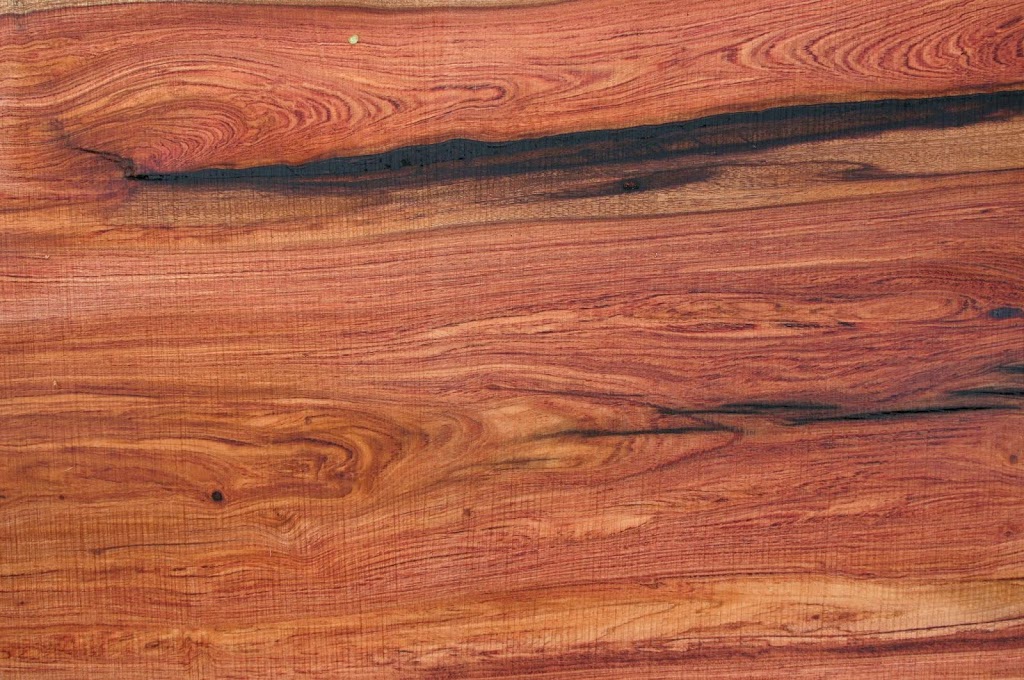
The colors available in African Rosewood range from rich reddish-brown to dark brown, often featuring darker streaks and a beautiful, variegated appearance. This striking color palette enhances its appeal for various woodworking projects.
How does African Rosewood age over time?
The aging process of African Rosewood results in a deepening of its rich color, transitioning from a lighter hue to darker, more vibrant tones. Over time, it develops a beautiful patina, enhancing its visual appeal and character.
What tools are best for cutting African Rosewood?
The best tools for cutting African Rosewood include carbide-tipped saw blades and high-quality band saws, as they effectively handle the wood's density and hardness, ensuring clean cuts and reducing wear on the tools.
Is African Rosewood resistant to pests?
African Rosewood is known for its natural resistance to pests. This durability makes it an excellent choice for outdoor applications and furniture, as it helps protect against damage from insects and decay.
What is the grain pattern of African Rosewood?
The grain pattern of African Rosewood is characterized by a striking combination of straight and interlocking grains, often featuring bold, dark streaks that enhance its visual appeal, making it a popular choice for fine furniture and musical instruments.
How to identify authentic African Rosewood?
Identifying authentic African Rosewood involves examining its rich, dark brown to purplish hue, distinct grain patterns, and a high Janka hardness rating of around 2,440. Additionally, genuine pieces often emit a sweet, fragrant aroma when freshly cut.
What are the environmental impacts of harvesting African Rosewood?
The environmental impacts of harvesting African Rosewood include deforestation, loss of biodiversity, and disruption of local ecosystems. Unsustainable practices can lead to habitat destruction and threaten species that rely on these forests.
How does African Rosewood affect indoor air quality?
The impact of African Rosewood on indoor air quality is generally positive, as it is a dense hardwood that emits minimal volatile organic compounds (VOCs), contributing to a healthier indoor environment.
What are the installation methods for African Rosewood flooring?
The installation methods for African Rosewood flooring include nail-down, glue-down, and floating installations. Each method offers unique benefits, allowing for flexibility based on your space and preferences.
How does African Rosewood compare in price to other hardwoods?
African Rosewood is generally more expensive than many other hardwoods due to its rarity, high demand, and exceptional quality, making it a premium choice for specialty projects.
What are the best adhesives for African Rosewood?
The best adhesives for African Rosewood are polyurethane glue and epoxy, as they provide strong bonds and excellent moisture resistance, essential for this dense hardwood.
How to repair scratches on African Rosewood?
Repairing scratches on African Rosewood involves gently sanding the area with fine-grit sandpaper, followed by applying a suitable wood finish or oil to restore its luster and blend the repair with the surrounding wood.
What is the history of African Rosewood use?
The history of African Rosewood use is marked by its popularity in fine furniture and musical instruments, dating back centuries. Its rich color and durability have made it a sought-after material in various cultures for crafting high-quality items.
How does African Rosewood contribute to home value?
African Rosewood contributes to home value by enhancing aesthetic appeal and durability, making it a sought-after choice for high-quality flooring and furniture. Its unique grain patterns and rich color can significantly elevate a home's market attractiveness.
What certifications should I look for in African Rosewood?
When considering African Rosewood, you should look for certifications such as CITES (Convention on International Trade in Endangered Species) and FSC (Forest Stewardship Council). These ensure the wood is sourced sustainably and legally.
How to choose the right African Rosewood product?
Choosing the right African Rosewood product involves considering its intended use, desired aesthetic, and specific characteristics like grain pattern and hardness. Ensure you select high-quality pieces that match your project requirements for durability and appearance.